

With billions of users scrolling, liking, sharing, and commenting every day, social media offers an unprecedented opportunity for brands to connect with their audiences. Yet, despite the potential, many campaigns fail to deliver meaningful results.
If you’re a small business owner, freelancer, or agency struggling to see a return on your effort, you’re not alone. Many brands invest time and energy into content creation only to see low engagement and minimal conversions.
In this guide, we’ll break down the 5 most common reasons your social media campaigns are underperforming and, more importantly, how to fix the gaps to see real growth.
1. You don’t have a clear strategy
One of the biggest mistakes brands make is jumping into social media execution without a defined plan. Posting inconsistently, chasing viral trends that don’t align with your brand, and being on every platform at once leads to a fragmented brand presence. Without a clear strategy, your content lacks direction, which wastes time and confuses your followers.
The fix: Start by defining your core objectives. Are you looking to raise brand awareness, generate high-quality leads, or boost e-commerce sales? Once your goals are set, build specific content pillars (such as education, entertainment, and promotion), create a sustainable posting schedule, and ensure every piece of content serves a specific business goal.
Pro tip: Use a standardized project brief to document your goals before you create a single graphic. Having a single source of truth ensures every post aligns with your broader business objectives.
2. You’re talking to “everyone” (and reaching no one)
If you haven’t defined your target audience’s specific pain points, interests, goals, and challenges, your messaging will feel generic and disconnected. When people don’t feel seen or understood, they will simply keep scrolling past your hard work.
The fix: Develop a detailed audience persona that goes beyond basic demographics. Ask yourself: What keeps them up at night? What are their career goals? What platforms do they actually use for work versus play? When you speak directly to someone’s problem, your content will feel like a personal solution rather than a broad advertisement.
Pro tip: Interview a few of your best clients or customers. Use their language and phrasing in your captions to create an instant emotional connection with similar prospects.
3. Your content lacks value or relevance
If your posts are repetitive, overly “salesy”, or irrelevant to your audience’s needs, they won’t capture people’s attention. Low numbers of saves and shares are the biggest indicators that your content isn’t providing tangible value.
The fix: Focus on content that serves your audience, not your brand. Every post should either educate, entertain, or inspire. Use a mix of formats to keep things fresh and engaging.
- Educational: Share tutorials, how-to guides, or industry secrets.
- Relatable: Post content that reflects the shared experiences of your community.
- Interactive: Use polls, quizzes, or Q&A sessions to invite a two-way conversation.
Pro tip: Aim for 90% of your content to be purely helpful or entertaining with no strings attached, and only 10% to be a direct sales pitch. This builds the social capital needed to make your sales posts actually convert.
4. Your posts lack cohesive visual direction
Skipping the creative direction phase often leads to disjointed branding of your social media channels. If your fonts, colors, and image styles change with every post, you lose brand recognition. A lack of visual consistency undermines your professional credibility, and can make your brand appear unreliable to potential customers.
The fix: Before opening design tools like Canva or Photoshop, establish your visual pillars. Choose a primary color palette, a consistent set of fonts, and a specific aesthetic such as minimalist and professional or bold and energetic. Creating a simple mood board or style guide early on will save you (or your team) hours of revisions and design frustration while building a recognizable brand.
Pro tip: Create a set of reusable templates for your common content pillars. This not only ensures visual consistency but also dramatically speeds up your content creation workflow every single week.
5. You’re guessing instead of measuring
Many small businesses and freelancers rely on guesswork instead of data. If you don’t have a plan for performance tracking, you won’t know which content types your audience prefers or which platforms are actually driving revenue, which leads to wasted effort and missed opportunities. Without data, you are essentially repeating the same mistakes every single month without realizing it.
The fix: Before launching any campaign, decide which key performance indicators (KPIs) matter most. Focus on meaningful results like reach, click-through rates (CTR), and conversions, not just vanity metrics such as likes. Regularly audit your analytics to find patterns. What time is your audience most active? Which video format got the most shares?
Pro tip: Perform a monthly post-mortem review. Identify your top 3 performing posts and your bottom 3. Replicate the strategy of the winners and pivot away from the losers.
High-performing social media campaigns are the result of intentional planning and strategic execution. By narrowing your focus to a specific audience, providing genuine value, and tracking your data, you can turn an underperforming feed into a powerful business engine.
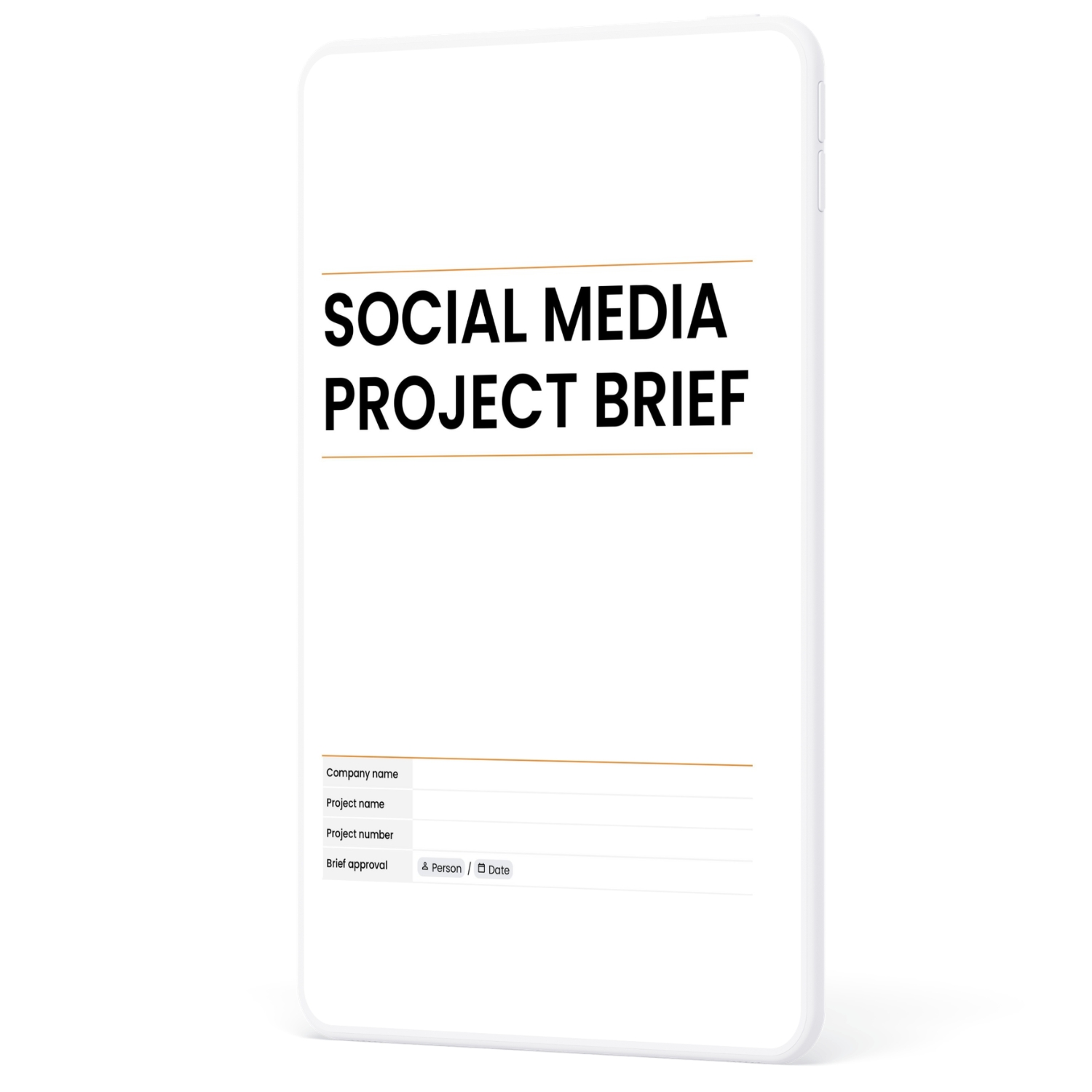
Ready to start planning like a professional?
Master your next campaign with our Social Media Project Brief Toolkit, the definitive framework for turning creative ideas into measurable results.
This post is also published on Medium.com.